Opening hours
Open daily except Tuesdays, 1 January, 1 May and 25 December. October to March 09:30–17:00 (last entry 16:15); April to September 09:30–18:00 (last entry 17:15). The gardens and park are free and open daily.
Address
Château de Fontainebleau, 77300 Fontainebleau, France
Getting there from Paris
≈55 minutes by train: Transilien line R from Paris Gare de Lyon to Fontainebleau-Avon (about 40 minutes), then the local bus (line 1, direction Les Lilas) to the Château stop, about 15 minutes. By car it is roughly 1 hour via the A6.
Getting there from Fontainebleau-Avon station
The château is about 3 km from the station. Take the local bus (line 1) towards the town centre and the palace, or a short taxi; the ride is around 15 minutes.
Time needed
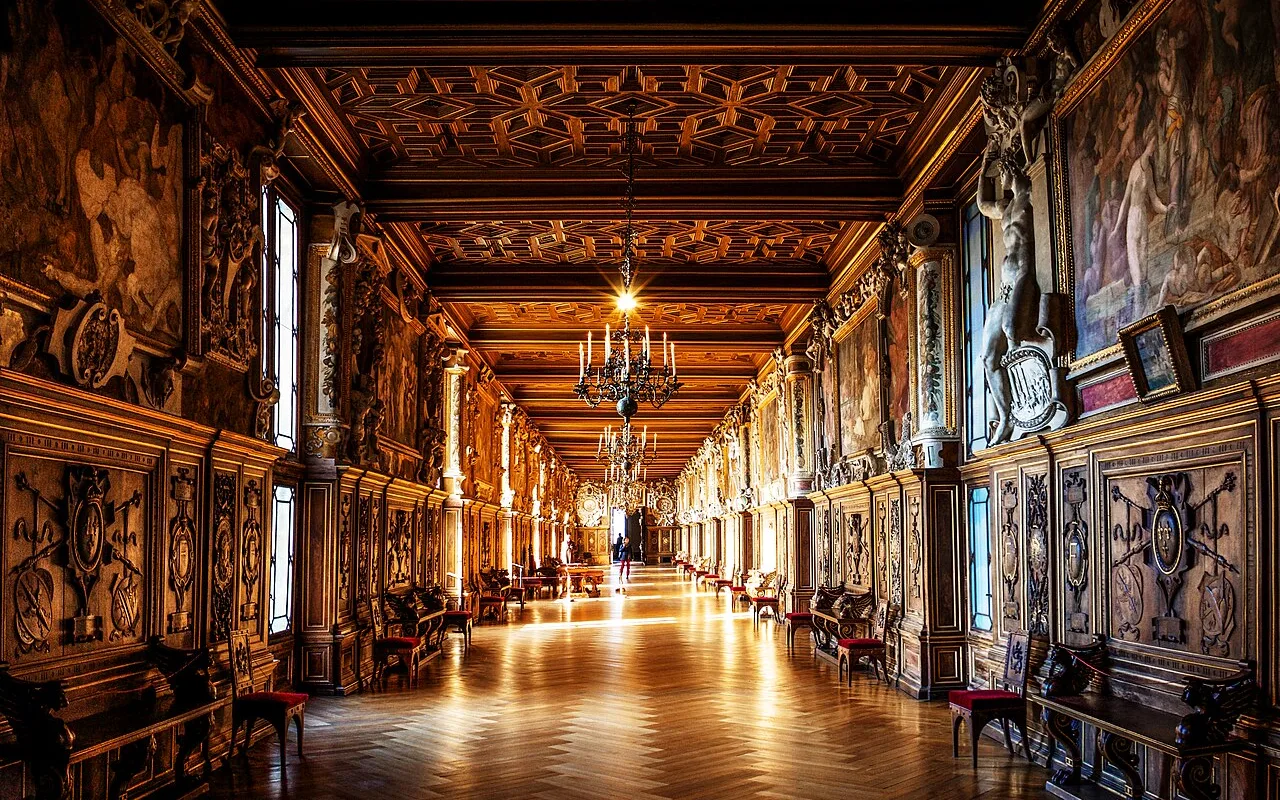
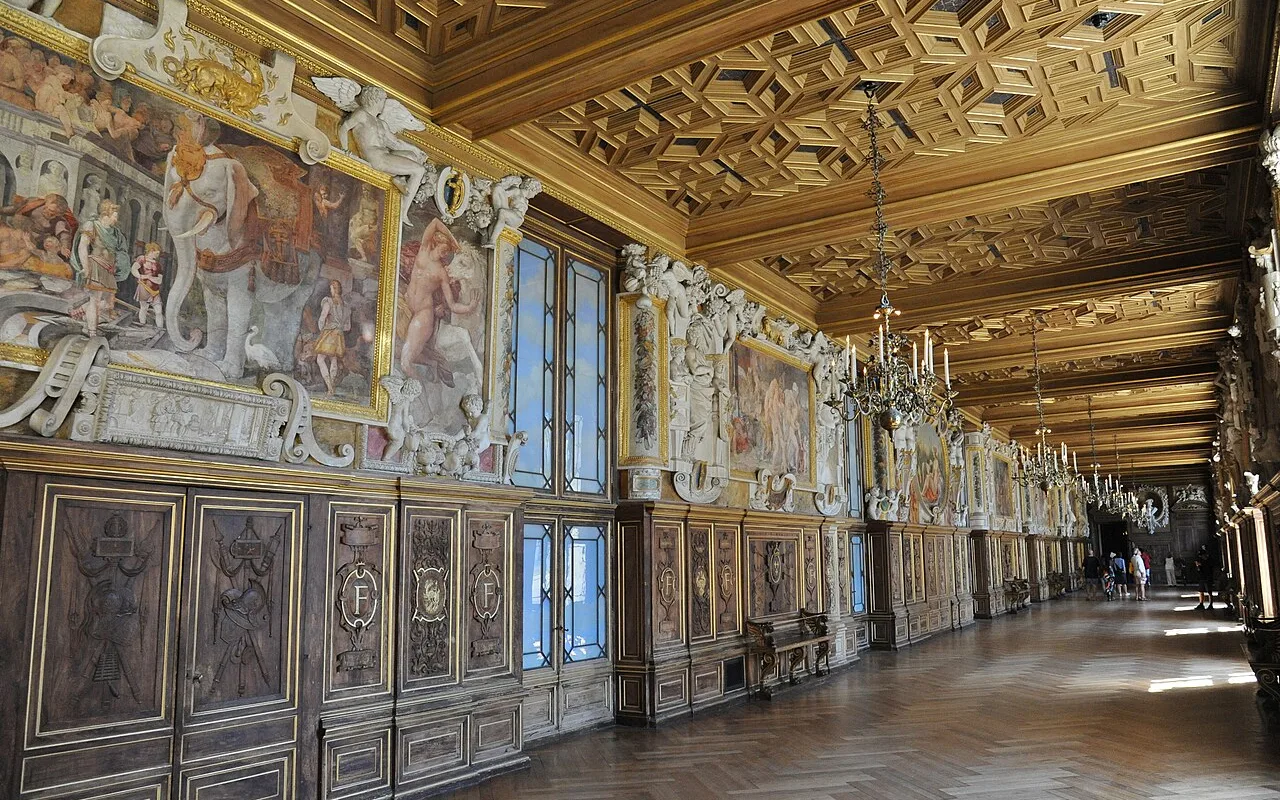
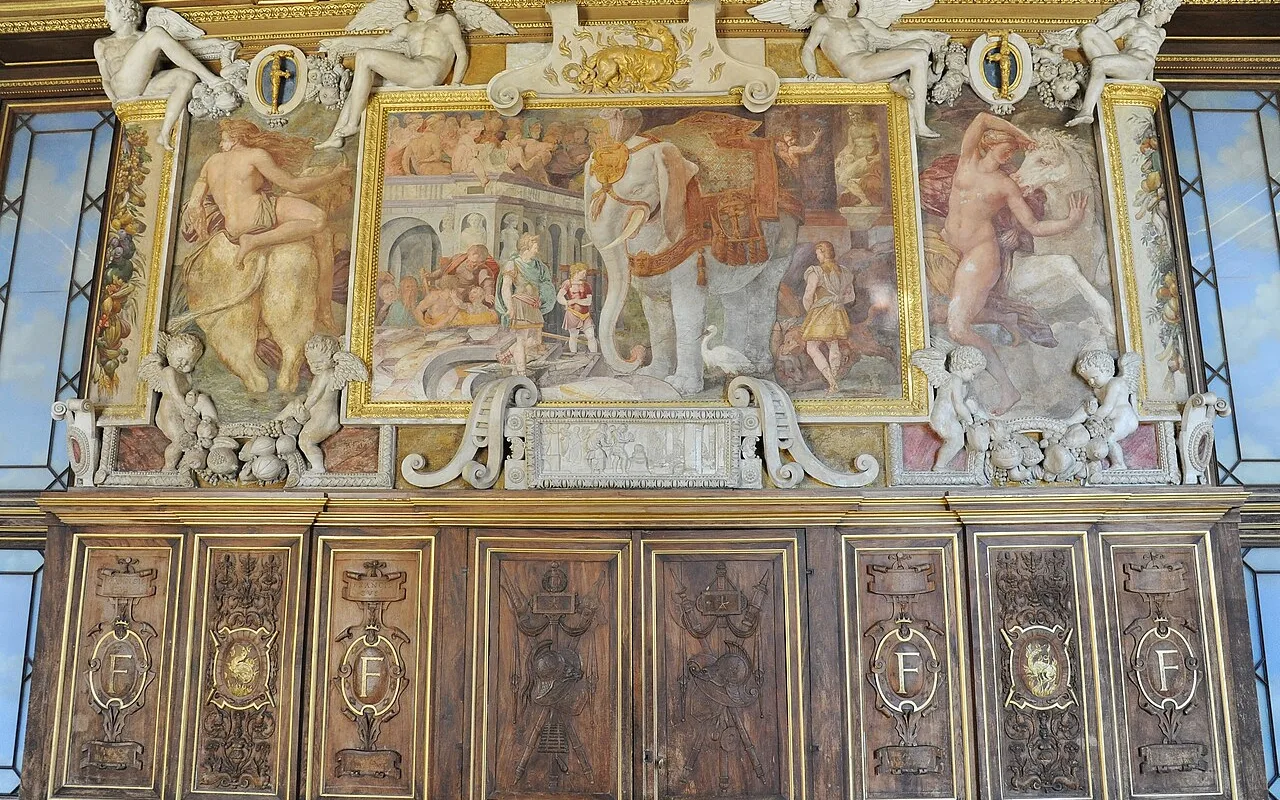
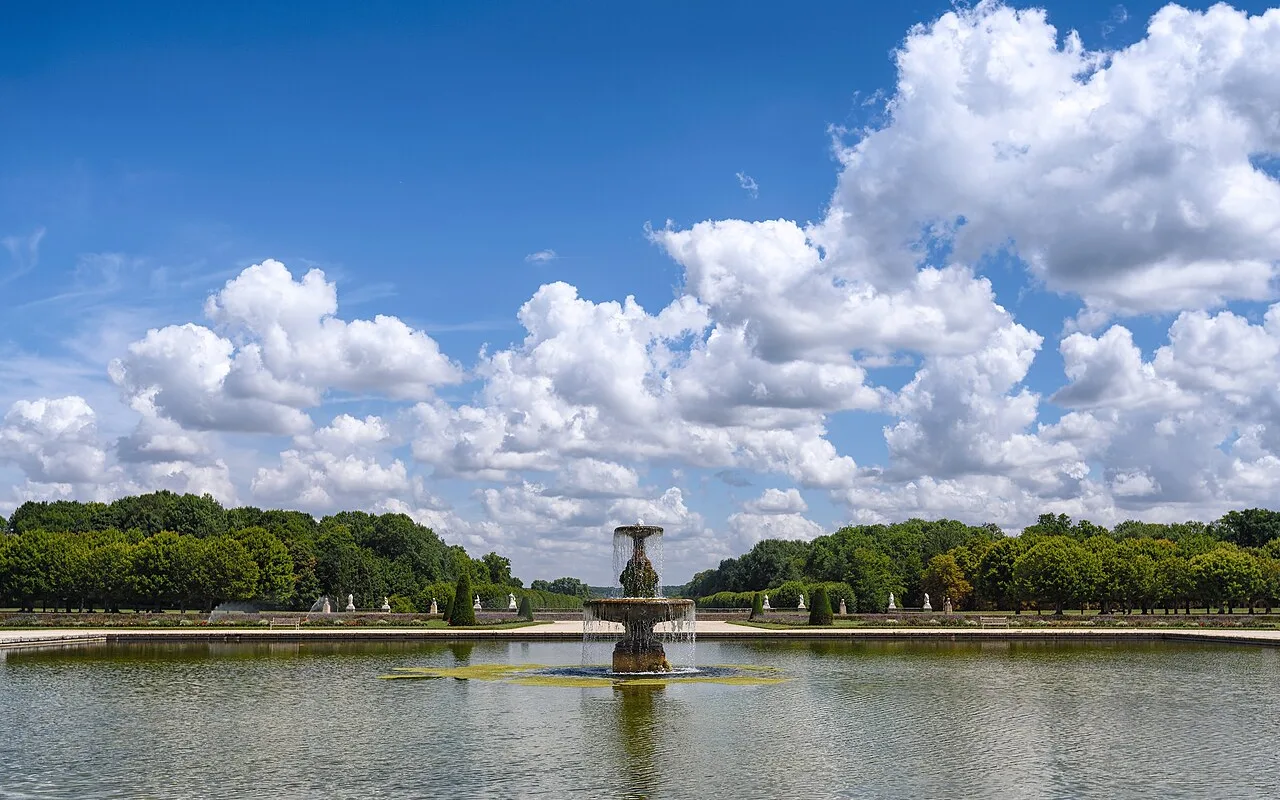
Allow about 2 hours for the Grands Appartements, the Gallery of Francis I and the Napoleon museum. Add 1 hour or more for the gardens, the Grand Parterre and the carp pond.
Accessibility
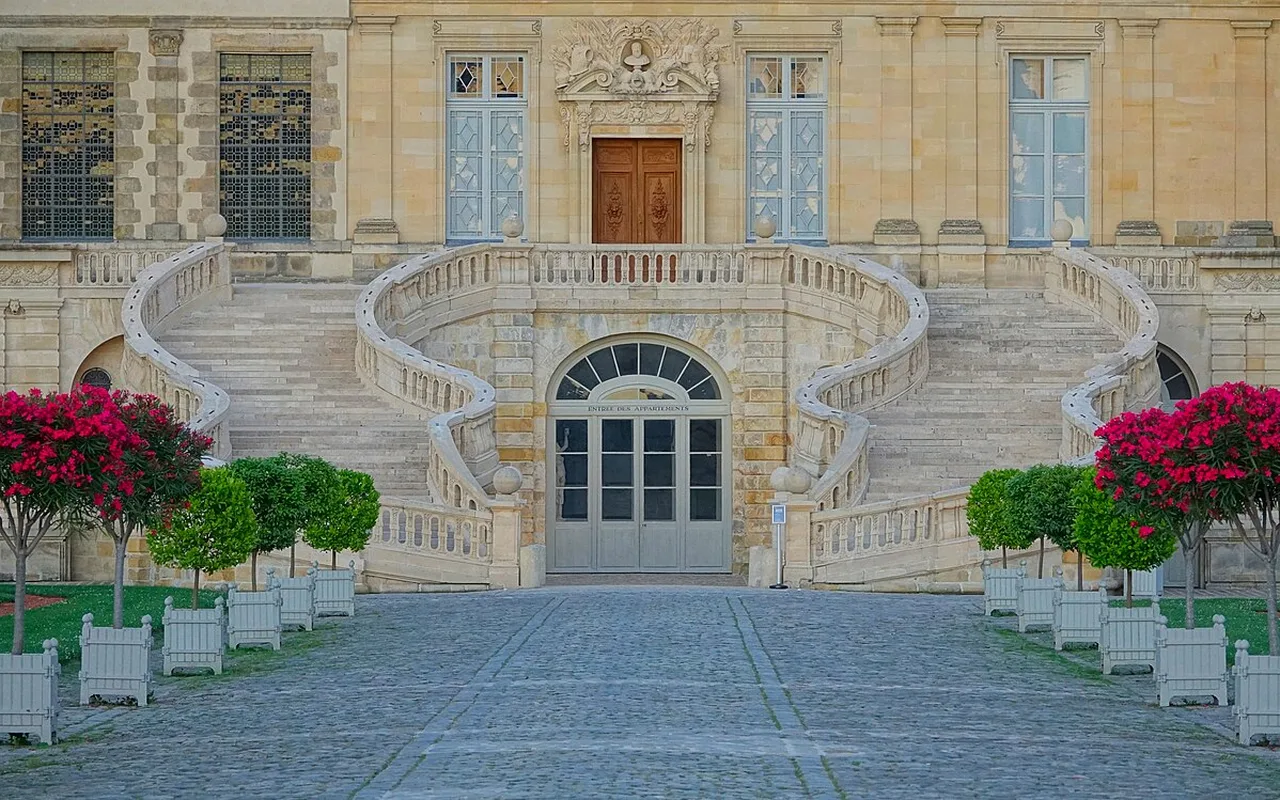
The state apartments are reached largely on one level via the horseshoe-staircase entrance route, with lifts serving the main floor; some historic thresholds and the gardens' gravel paths can be uneven. Contact us before booking if mobility is a concern and we will confirm the current accessible route.
Photography
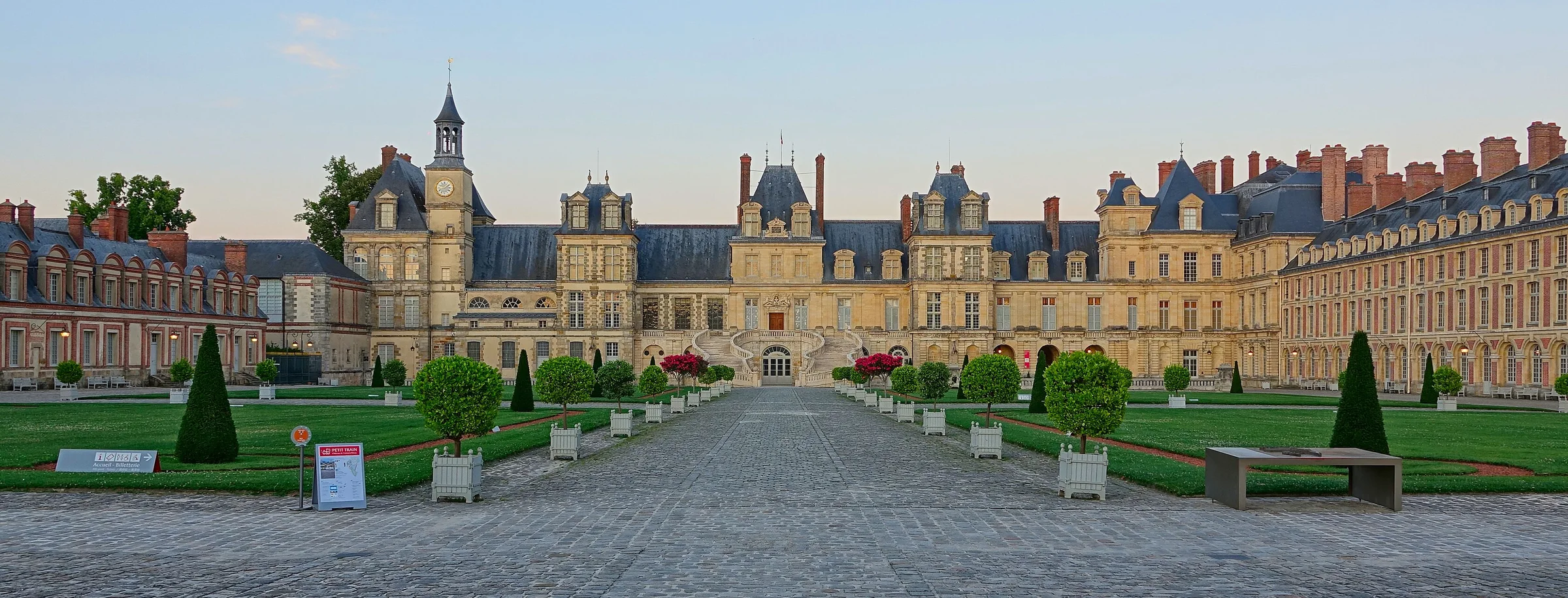
Permitted in the apartments without flash or tripod. The classic exterior shot is the horseshoe staircase across the Cour des Adieux, and the gardens reflected in the carp pond.
Food
Cafés and restaurants line the town square at the palace gates, and the gardens and forest offer fine picnic spots. The town of Fontainebleau has a good choice of brasseries a short walk from the entrance.